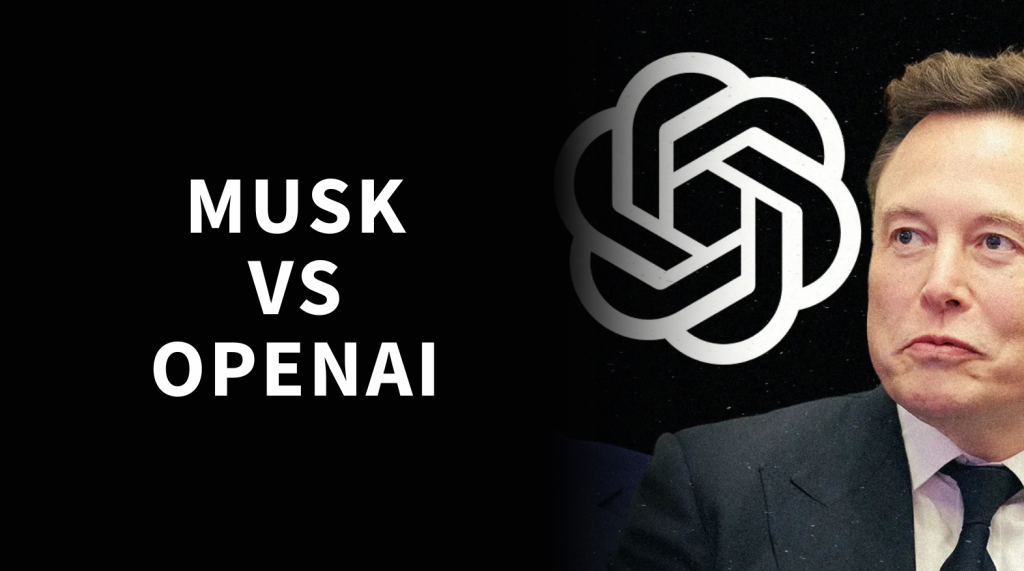
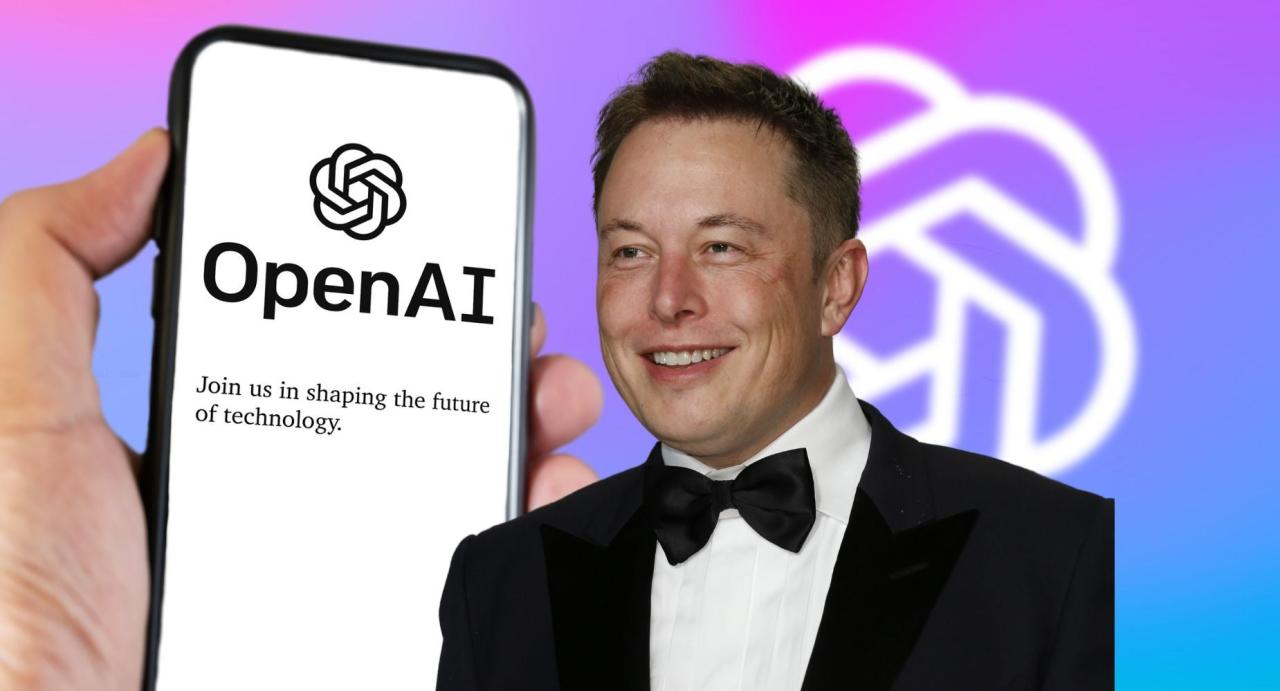
The landscape of artificial intelligence is a perpetual storm of innovation, ambition, and colossal personalities. At the eye of this storm, more often than not, is Elon Musk, the technoking whose pronouncements routinely send ripples across global markets and public discourse. His latest and perhaps most significant confrontation is not with a regulatory body or a competitor in the traditional sense, but with an entity he helped birth: OpenAI. What began as a philosophical disagreement has erupted into a full-blown legal and public relations feud, centering on a lawsuit Musk has filed against the research company and its CEO, Sam Altman. This is not merely a corporate spat; it is a profound clash over the very soul of AI’s future who controls it, how it should be developed, and for whose benefit. This article delves deep into the origins, core arguments, legal intricacies, and potential ramifications of this defining conflict.
The Genesis of a Vision: OpenAI’s Founding Ideals
To understand the present acrimony, one must first journey back to 2015. OpenAI was conceived not as a for-profit company, but as an open-source non-profit research laboratory. Its founding mission was starkly clear: to develop Artificial General Intelligence (AGI) that is safe and beneficial for all of humanity.
A. The Original Mandate: The core fear driving the founders, including Musk, was that AGI AI with human-level cognitive abilities could become an existential threat if developed behind closed doors by a handful of powerful corporations (like Google or Amazon) or autocratic governments. OpenAI’s raison d’être was to serve as a counterweight, ensuring that this powerful technology would be developed transparently and its benefits distributed widely, not hoarded for private gain.
B. Musk’s Central Role: Elon Musk was not a passive investor. He was a co-chairman and one of the initial funders, pledging around $100 million to the cause. His vocal concerns about AI as “humanity’s biggest existential threat” were directly baked into OpenAI’s charter. His presence lent the project immense credibility and a clear, cautionary purpose.
The Pivotal Turning Point: The Microsoft Partnership
The central catalyst for the current feud was OpenAI’s dramatic pivot in 2018-2019. This period marked a fundamental shift in its structure and strategy.
A. The For-Profit Shift: OpenAI created a “capped-profit” arm, OpenAI LP, which would be governed by the original non-profit’s board. This structure was designed to attract the massive capital investment required for the immense computational power needed to train models like GPT. The “cap” was meant to ensure that while investors and employees could profit, the pursuit of unlimited wealth would not supersede the mission.
B. The Microsoft Alliance: The most crucial move was the formation of a multi-billion-dollar partnership with tech giant Microsoft. This deal provided OpenAI with the Azure cloud computing infrastructure and capital necessary to compete at the highest level. In return, Microsoft received exclusive licensing rights to OpenAI’s technology for its products and a significant stake in the for-profit arm.
C. Musk’s Departure: It is widely reported that Musk disagreed with this new direction. He allegedly advocated for OpenAI to be merged with his other company, Tesla, to serve as its own counterweight to Google. When this proposal was rejected, he stepped down from the board, citing a “conflict of interest” with Tesla’s own AI development for self-driving cars. While he remained a donor, his direct influence waned.
Deconstructing the Lawsuit: Musk’s Core Allegations
Musk’s legal filing is the explosive public manifestation of years of simmering discontent. It frames OpenAI’s evolution not as a pragmatic necessity but as a fundamental betrayal.
A. Breach of Contract: The suit alleges that OpenAI and its leaders, Sam Altman and Greg Brockman, initially persuaded Musk to contribute funding and resources based on a specific promise: to remain a non-profit dedicated to open, public-beneficial AI. Musk’s legal team argues that the Microsoft partnership has effectively voided this original founding agreement.
B. Breach of Fiduciary Duty: This charge is more serious, accusing Altman and Brockman of failing in their legal duty to the non-profit’s mission. The lawsuit claims they prioritized commercial interests and their own financial gains over the stated goal of benefiting humanity.
C. The “Betrayal” of Open Source: A key rhetorical point is the abandonment of the “open” in OpenAI. The most advanced models, like GPT-4 and its successors, are no longer open-sourced. Their inner workings are closely guarded secrets, primarily available to Microsoft and to the public through paid APIs. Musk contends this creates a de facto “closed-source subsidiary” of the world’s largest software company, the exact scenario OpenAI was founded to prevent.
D. The AGI Question: The lawsuit hinges on a specific clause in the OpenAI-Microsoft agreement: that the technology is licensed to Microsoft until the point AGI is achieved. Musk’s team argues that OpenAI has already developed, or is very close to developing, AGI (a claim many experts debate) and is therefore withholding it from the public in violation of its charter. They demand that OpenAI’s technology be made publicly available.
OpenAI’s Defense and the Counter-Narrative
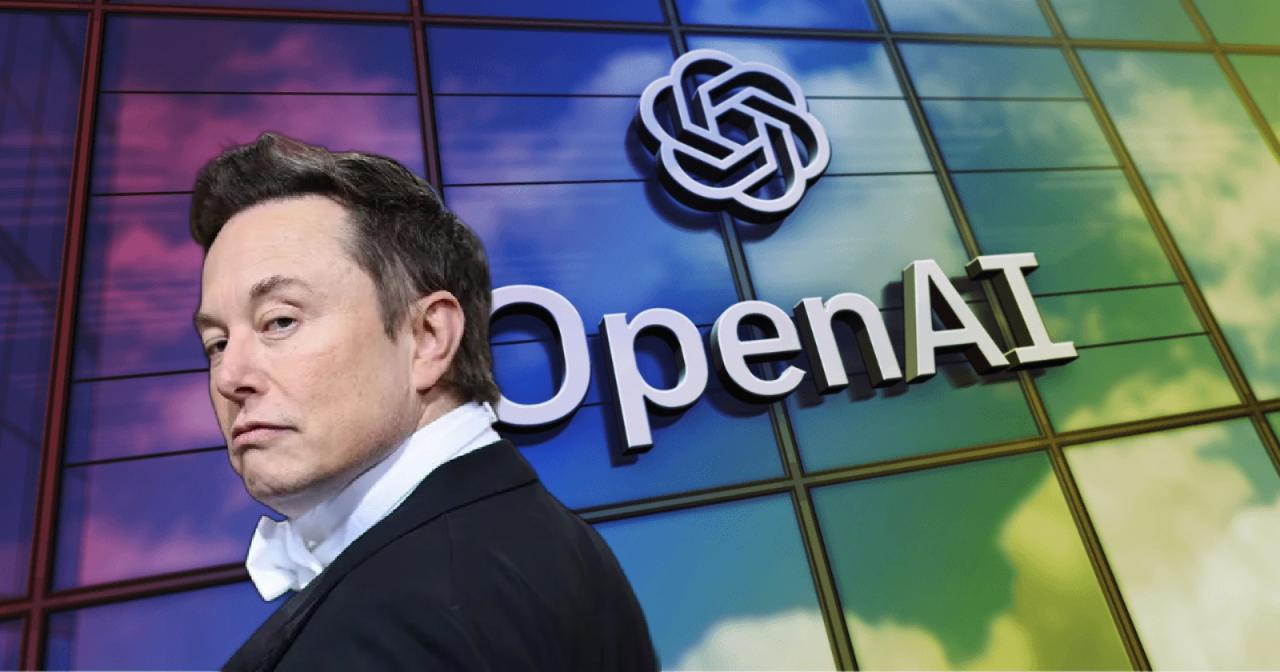
OpenAI has responded forcefully, painting Musk’s lawsuit as based on misconceptions and, ironically, his own commercial ambitions.
A. The Necessity of Capital: OpenAI’s defense is pragmatic: the scale of modern AI development is astronomically expensive. Training models like GPT-4 likely cost over $100 million. To fulfill its mission of building safe and powerful AI, it needed resources on a scale that only a partnership with a tech giant like Microsoft could provide. The capped-profit structure was the innovative solution to this funding dilemma.
B. Safety Over Openness: The company argues that as its models grew more powerful, open-sourcing them became irresponsible. Releasing the “source code” to a highly capable AI could enable malicious actors to create disinformation campaigns, cyberweapons, and other harmful outputs. Therefore, controlling access is a necessary component of their duty to develop AI safely.
C. Musk’s Motives Questioned: In internal memos and public statements, OpenAI has suggested that Musk’s actions are less about pure altruism and more about competition. He is building his own AI venture, xAI, which has launched the Grok chatbot, a direct competitor to ChatGPT. Some observers posit that the lawsuit could be a strategic move to slow down OpenAI and gain access to its proprietary technology through the discovery process of the lawsuit.
The Broader Implications: Why This Feud Matters to Everyone
This conflict transcends a billionaire’s squabble. It raises fundamental questions that will define the digital age.
A. The Governance Dilemma: How can humanity guide and control a technology that is potentially more powerful than any that has come before it? The feud highlights the lack of clear models for governing AGI development, pitting non-profit ideals against corporate imperatives.
B. The “Open vs. Closed” AI Future: Are we heading toward a future where a few corporate behemoths control the most powerful AI systems, or will there be a vibrant ecosystem of open, accessible models? This battle is a proxy war for that larger struggle.
C. The Role of Hypocrisy: Critics on both sides point to perceived hypocrisy. Is Musk, a hyper-capitalist who runs his own private companies, a credible champion for open-source? Is OpenAI, funded by a trillion-dollar corporation, a credible champion for humanity? This muddies the waters and makes it difficult to identify the true “good guys.”
Potential Outcomes and Lasting Consequences
The future of this feud is uncertain, but several paths are possible.
A. Legal Settlement: The most likely outcome is a private settlement out of court. This would avoid a lengthy, messy, and discovery process that could force both sides to reveal uncomfortable details about their operations and internal communications.
B. Regulatory Scrutiny: The lawsuit has already drawn the attention of regulators in the US and EU. It serves as a prime example of why new AI regulations are needed. Governments may feel compelled to intervene more directly in structuring how AI firms, especially those pursuing AGI, are governed and owned.
C. Accelerated Competition: Regardless of the legal outcome, the feud has cemented a new competitive landscape. Musk’s xAI will now aggressively compete with OpenAI and Anthropic, potentially framing itself as the “truly open” alternative. This could accelerate innovation but also further fragment the field.
Conclusion: A Defining Schism for the AI Age
The feud between Elon Musk and OpenAI is a Shakespearean drama playing out with the future of humanity as its stakes. It is a story of idealism clashing with pragmatism, of founding principles strained by astronomical costs, and of personal ambition intertwined with existential caution. While the legal arguments will be dissected in court, the underlying debate is philosophical: what is the correct path to ensure AI remains a force for good? This clash, however messy, is forcing the world to confront these questions head-on. The answers we arrive at, whether through court verdicts, new laws, or market forces, will undoubtedly shape the trajectory of human progress for generations to come.